Herb Comparison
Ashwagandha vs Rhodiola
Two of the world's best-known adaptogens, traditionally used in very different ways — one calming, one energising.
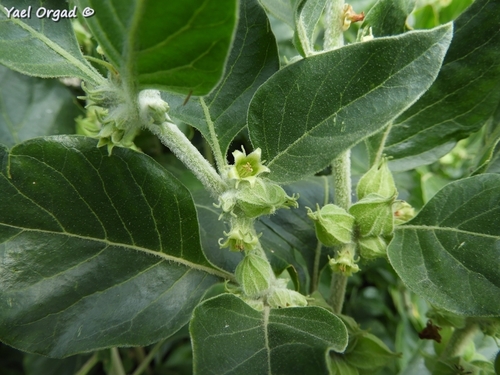
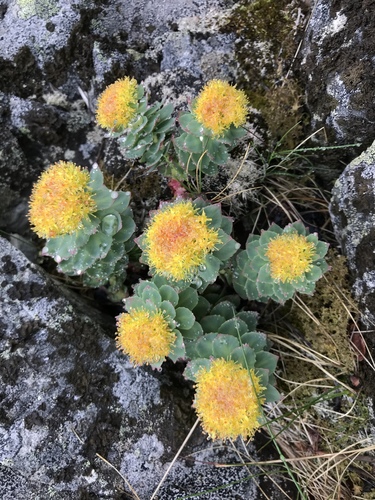
| Ashwagandha | Rhodiola | |
|---|---|---|
| Traditional use | Used in Ayurveda for centuries to support calm, restful sleep and stress resilience. | Used in Scandinavian and Siberian traditions to support stamina, focus and mental energy. |
| Best suited to | Evening wind-down routines, wired-but-tired feelings, supporting rest. | Morning routines, demanding workdays, supporting alertness and stamina. |
| Typical preparation | Powder in warm milk or smoothies, capsules, or tea. | Capsules, tincture, or a light tea from the root. |
| Time of day | Evening or before bed (traditionally calming). | Morning or early afternoon (traditionally stimulating — may disturb sleep if taken late). |
| Character | Grounding, warming, gentle. | Uplifting, crisp, energising. |
| Safety notes | Speak to your GP if pregnant, on thyroid medication or sedatives. | Speak to your GP if on antidepressants or if you have bipolar disorder. Avoid late in the day. |
Which one is right for you?
In traditional herbalism the two are not rivals — they answer different questions. Ashwagandha is traditionally reached for when stress shows up as tension, restlessness and poor sleep. Rhodiola is traditionally reached for when stress shows up as fatigue, brain fog and low stamina.
Many herbalists describe them as morning-and-evening partners rather than either/or: Rhodiola with breakfast, Ashwagandha in the evening. As always, this is educational information about traditional use — check suitability with a qualified professional, especially if you take medication.
Still unsure? Our free AI assessment matches herbs to your routine, goals and medications.
Free AI AssessmentFrequently Asked Questions
Can I take Ashwagandha and Rhodiola together?
They are traditionally used at different times of day — Rhodiola in the morning, Ashwagandha in the evening. Always confirm combinations with a qualified healthcare professional, especially if you take medication.
Which is better for sleep?
Ashwagandha is the one traditionally associated with rest and evening routines. Rhodiola is traditionally considered stimulating and is usually avoided late in the day.
Which is better for energy and focus?
Rhodiola has the longer tradition of use around stamina, focus and mental energy, particularly in Scandinavian and Siberian herbal traditions.
How long do adaptogens take to notice?
Traditional use of both herbs is consistent daily use over several weeks rather than a single dose. Individual experiences vary, and no specific outcome can be promised.
More comparisons
Get Your Personalised Herb Plan
Answer a few questions and receive educational herb suggestions tailored to your answers — with safety notes included.
Start Your FREE AssessmentEducational information describing traditional uses only — not medical advice, diagnosis or treatment claims. Consult your GP before using herbal products, especially if you take medication or are pregnant.
We use essential cookies to run the site, and — with your consent — Google Analytics and Google Ads cookies to measure and improve it. See our Privacy Policy.