Herb Comparison
Ashwagandha vs Maca Root
An Ayurvedic classic meets a Peruvian staple — both traditionally tied to vitality, in different ways.
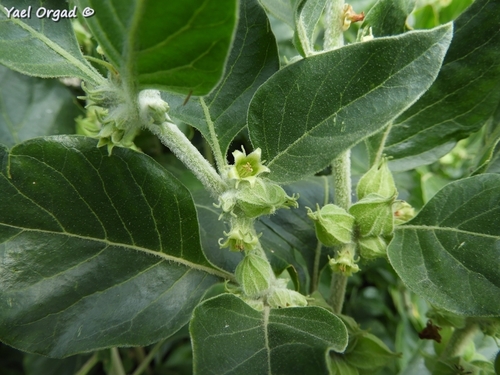
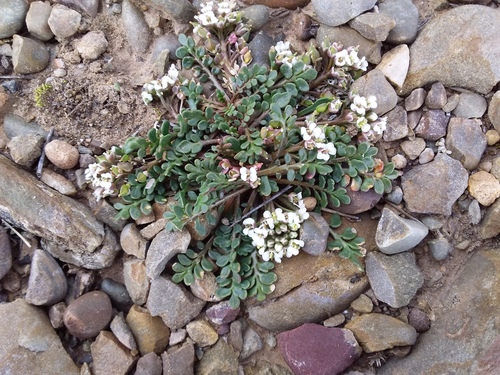
| Ashwagandha | Maca Root | |
|---|---|---|
| Traditional use | Ayurvedic tradition for stress resilience, calm and restful energy. | Andean tradition as a nourishing food root for stamina and vitality. |
| Best suited to | Stress-heavy seasons, evening routines, wired-but-tired feelings. | Active lifestyles, smoothie lovers, food-first approaches to vitality. |
| Typical preparation | Powder in warm milk, capsules, tea. | Powder in smoothies, porridge or baking — it's traditionally eaten as a food. |
| Taste | Earthy and slightly bitter. | Malty, butterscotch-like — many people enjoy it. |
| Time of day | Evening (traditionally calming). | Morning (traditionally energising as a breakfast food). |
| Safety notes | Check with your GP if pregnant, on thyroid medication or sedatives. | Generally consumed as a food; check with your GP if pregnant or on hormone-related medication. |
Which one is right for you?
Ashwagandha approaches vitality from the calm side — its traditions are about steadying stress so energy can recover. Maca approaches it from the nourishment side — a mineral-rich Andean food root eaten daily for stamina.
If your energy dips trace back to stress and poor sleep, ashwagandha's traditions speak to that. If you simply want a nourishing, malty addition to breakfast, maca is the more food-like choice. Educational traditions only — confirm suitability with a professional.
Still unsure? Our free AI assessment matches herbs to your routine, goals and medications.
Free AI AssessmentFrequently Asked Questions
Can I take ashwagandha and maca together?
They're traditionally used at different times — maca with breakfast, ashwagandha in the evening. Confirm any combination with a qualified healthcare professional if you take medication.
Which tastes better in smoothies?
Maca — its malty, butterscotch-like flavour works beautifully in smoothies and porridge. Ashwagandha is earthier and traditionally hidden in warm spiced milk.
Is maca a stimulant like caffeine?
No — maca contains no caffeine. It's traditionally eaten as a nourishing food root rather than taken as a stimulant.
Which is better for stress?
Ashwagandha is the herb with the deep traditional association with stress resilience and calm. Maca's traditions centre on nourishment and stamina.
More comparisons
Get Your Personalised Herb Plan
Answer a few questions and receive educational herb suggestions tailored to your answers — with safety notes included.
Start Your FREE AssessmentEducational information describing traditional uses only — not medical advice, diagnosis or treatment claims. Consult your GP before using herbal products, especially if you take medication or are pregnant.
We use essential cookies to run the site, and — with your consent — Google Analytics and Google Ads cookies to measure and improve it. See our Privacy Policy.