🌙
Best Herbs for Sleep (UK Guide)
Struggling to switch off at night? You're far from alone — around one in three adults in the UK report poor sleep, and many are turning to traditional herbal remedies before reaching for medication. Herbs have been used for centuries to calm the nervous system, ease a racing mind and prepare the body for rest, and modern research is beginning to support several of them.
Below are the five best-studied herbs for sleep, how they're typically used, and what to watch out for. Everyone's body chemistry is different — the herb that works wonders for one person may do little for another. That's exactly why we built our free AI assessment: it looks at your age, lifestyle, medications and goals to suggest the herbs most likely to suit you.
Not sure which herb is right for you? Get a personalised answer in 2 minutes.
Free AI Assessment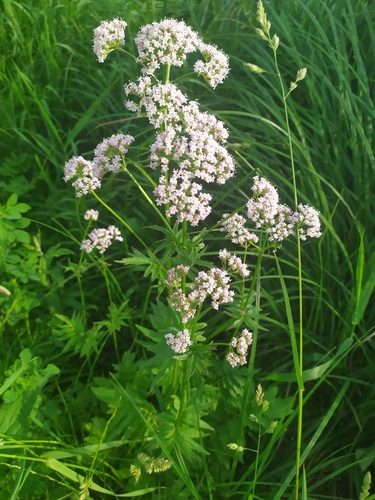
1. Valerian
Valeriana officinalis
The most researched herbal sleep aid in Europe. Valerian root appears to increase levels of GABA, the brain's main calming neurotransmitter, helping you fall asleep faster and wake less during the night. It's usually taken as a tea or capsule 30–60 minutes before bed. Note: it has a distinctive earthy smell, and works best when used consistently for two or more weeks.
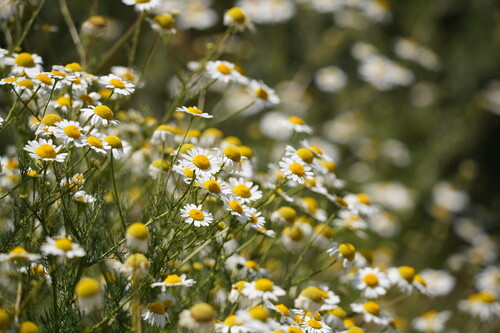
2. Chamomile
Matricaria chamomilla
Britain's favourite bedtime tea for good reason. Chamomile contains apigenin, a compound that binds to the same brain receptors targeted by some calming medications — but gently. A warm cup 45 minutes before bed makes an easy, low-risk nightly ritual, and it also settles a nervous stomach, which is often part of why we can't sleep.
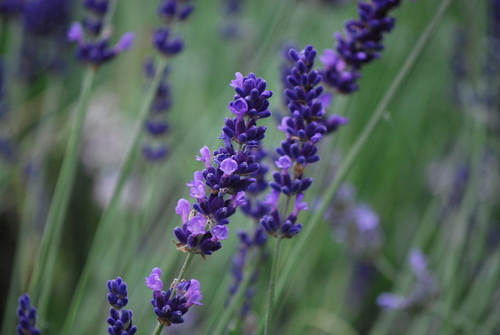
3. Lavender
Lavandula angustifolia
Best known as an aromatherapy oil, lavender is also taken as a tea. Clinical studies on lavender preparations show reduced anxiety and improved sleep quality. It pairs beautifully with chamomile in an evening blend and suits people whose sleeplessness is driven by a busy, anxious mind.
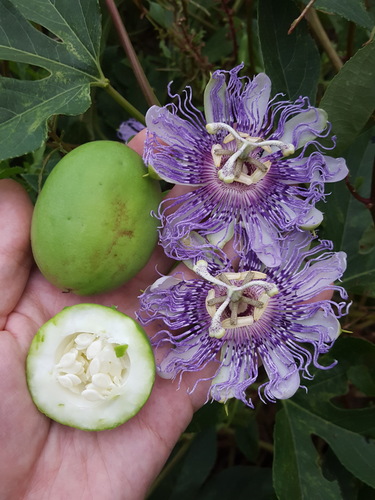
4. Passionflower
Passiflora incarnata
A traditional remedy for the racing-thoughts kind of insomnia. Passionflower appears to boost GABA activity in a similar way to valerian and is often combined with it. It's gentle enough for regular evening use as a tea and is a good option if valerian's smell puts you off.
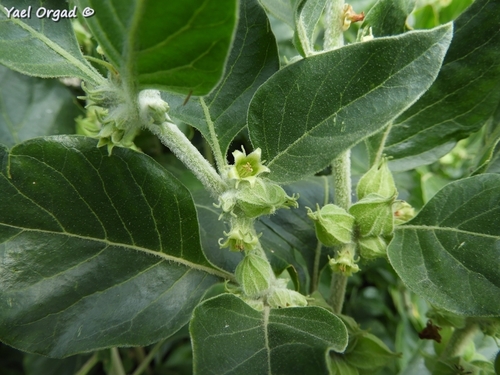
5. Ashwagandha
Withania somnifera
Not a sedative — an adaptogen. Ashwagandha helps lower cortisol, the stress hormone that keeps you wired at 2am. Taken daily (usually with food, not just at bedtime), it addresses the underlying stress that's stealing your sleep. Trials suggest improvements in both sleep onset and quality after 6–8 weeks of consistent use.
Frequently Asked Questions
How long do herbal sleep aids take to work?
Chamomile and lavender can help the same evening, while valerian, passionflower and ashwagandha typically show their full effect after 2–8 weeks of consistent use.
Can I combine sleep herbs?
Many blend well — valerian with passionflower, or chamomile with lavender, are classic pairings. Avoid combining several strong sedative herbs at once, and never mix them with sleep medication without speaking to your GP.
Are herbal sleep remedies safe?
Generally well tolerated, but they can interact with medications (especially sedatives, antidepressants and blood thinners) and aren't all suitable in pregnancy. Our assessment flags these safety considerations automatically.
Get Your Personalised Herb Plan
Our free AI assessment matches herbs to your body, lifestyle and medications — with safety guidance included.
Start Your FREE AssessmentEducational information only — not medical advice. Consult your GP before starting herbal supplements, especially if you take medication or are pregnant.
We use essential cookies to run the site, and — with your consent — Google Analytics and Google Ads cookies to measure and improve it. See our Privacy Policy.