🌸
Best Herbs for Menopause (UK Guide)
Menopause and perimenopause affect every woman differently — hot flushes, night sweats, mood swings, disrupted sleep and fatigue can arrive in any combination. While HRT is the medical gold standard for many, a growing number of UK women look to traditional herbal remedies, either alongside medical care or where HRT isn't suitable. Several herbs have centuries of traditional use for exactly this stage of life, and some now carry meaningful clinical research too.
Below are the five herbs most often chosen for menopausal support, what each one is best at, and the safety points that matter. For a personalised picture of your hormonal symptoms, our Women's Hormone Assessment scores your mood, energy, sleep and balance in two minutes.
Wondering if your symptoms are hormonal? Take our 2-minute Women's Hormone Assessment for a personalised score.
Women's Hormone Assessment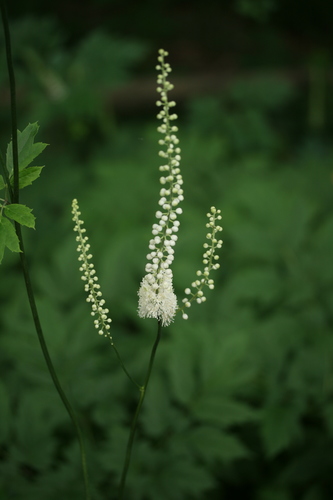
1. Black Cohosh
Actaea racemosa
The most researched menopause herb in Europe, traditionally used by Native American herbalists and now a staple of German menopause care. Studies suggest black cohosh may ease hot flushes and night sweats, with effects typically felt after 4–8 weeks of daily use. Choose standardised extracts, and avoid it if you have liver conditions — check with your GP if unsure.
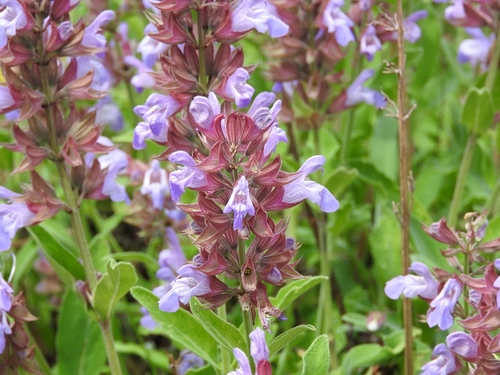
2. Sage
Salvia officinalis
A humble kitchen herb with surprising power over hot flushes. Clinical trials of fresh sage preparations report significant reductions in flush frequency and intensity. Taken as a tea or tablet, it's gentle, affordable and easy to add to a daily routine — a sensible first herb to try for vasomotor symptoms.
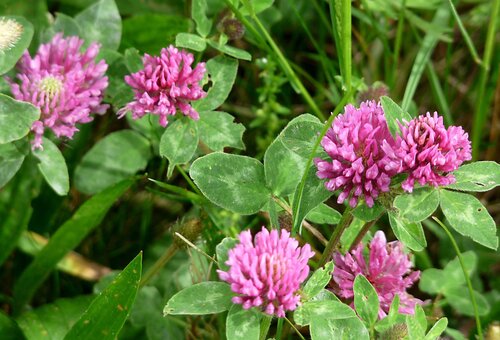
3. Red Clover
Trifolium pratense
Rich in isoflavones — plant compounds that gently mimic oestrogen's activity. Red clover is traditionally used for hot flushes and bone health support through the menopausal transition. Best taken consistently as a tea or capsule; women with hormone-sensitive conditions should seek medical advice first.
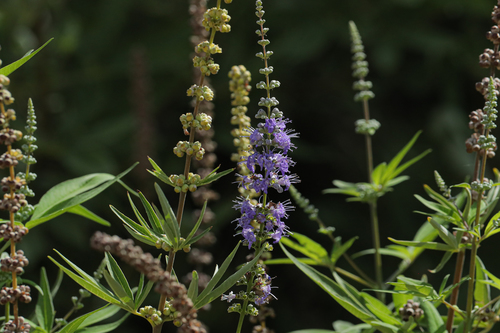
4. Vitex
Vitex agnus-castus
Also known as chasteberry, vitex shines in perimenopause, when cycles become erratic and PMS-like symptoms intensify. It acts on the pituitary gland to support progesterone balance, helping with breast tenderness, irritability and irregular cycles. It works slowly — give it three months of daily use.
5. Dong Quai
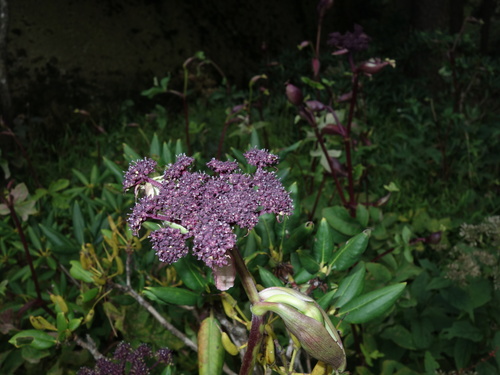
Angelica sinensis
The 'female ginseng' of traditional Chinese medicine, used for centuries for menstrual and menopausal complaints. Often combined with other herbs rather than used alone, dong quai is traditionally valued for supporting circulation and easing cramping. Avoid it with blood-thinning medication and in heavy bleeding.
Frequently Asked Questions
Can I take menopause herbs with HRT?
Some herbs (especially phytoestrogen-rich ones like red clover) may overlap with HRT's effects. Always tell your GP or menopause specialist what you're taking so they can advise on combinations.
How long until herbal menopause remedies work?
Sage can help within 2–4 weeks; black cohosh typically needs 4–8 weeks; vitex is slowest at 8–12 weeks. Consistency matters more than dose.
Are these herbs safe for everyone?
No — women with hormone-sensitive conditions (including some breast cancers), liver conditions, or on blood thinners need medical advice first. Our assessment automatically flags key safety considerations.
Get Your Personalised Herb Plan
Our free AI assessment matches herbs to your body, lifestyle and medications — with safety guidance included.
Start Your FREE AssessmentEducational information only — not medical advice. Consult your GP before starting herbal supplements, especially if you take medication or are pregnant.
We use essential cookies to run the site, and — with your consent — Google Analytics and Google Ads cookies to measure and improve it. See our Privacy Policy.