🍃
Best Herbs for Anxiety (UK Guide)
Anxiety is now one of the most common reasons people in the UK explore herbal medicine. While herbs are not a replacement for professional support when anxiety is severe, several have genuine calming effects on the nervous system — and a growing body of clinical research behind them.
Here are the five calming herbs we recommend most often, what makes each one different, and how to choose between them. For a personalised answer that accounts for your medications, lifestyle and goals, take our free 2-minute AI assessment.
Not sure which herb is right for you? Get a personalised answer in 2 minutes.
Free AI Assessment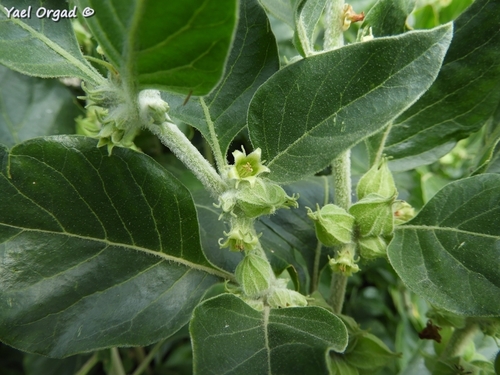
1. Ashwagandha
Withania somnifera
The standout herb for chronic, ongoing stress. As an adaptogen, ashwagandha helps regulate cortisol and the body's stress response rather than simply sedating you. Multiple randomised trials report meaningful reductions in anxiety scores after 6–8 weeks. Take it daily — it builds its effect over time rather than working instantly.
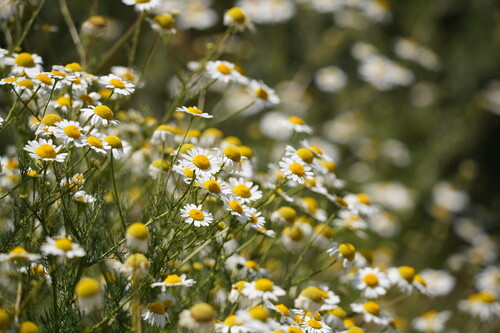
2. Chamomile
Matricaria chamomilla
Gentle, safe and surprisingly effective. Long-term chamomile use has been shown to reduce moderate anxiety symptoms, and its apigenin content calms both mind and digestive system — helpful, since anxiety so often lives in the gut. An easy first herb to try as a daily tea.
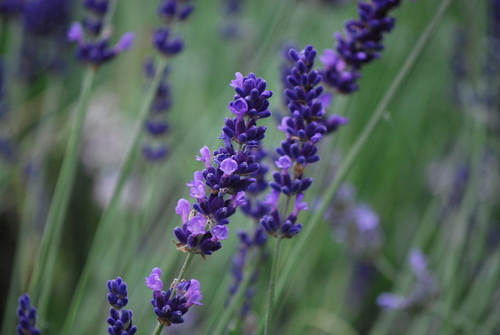
3. Lavender
Lavandula angustifolia
Well studied for anxious restlessness. Standardised lavender preparations have performed comparably to some conventional treatments for mild anxiety in clinical trials. Ideal for people whose anxiety shows up as physical tension and difficulty winding down in the evening.
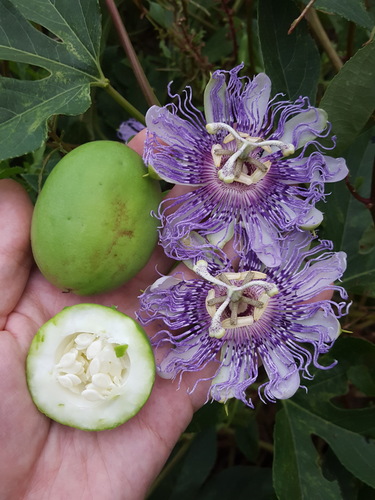
4. Passionflower
Passiflora incarnata
Traditional nervine for the overthinking mind. Passionflower quiets mental chatter without daytime drowsiness at normal doses, making it useful for anxiety that peaks during busy days as well as at night.
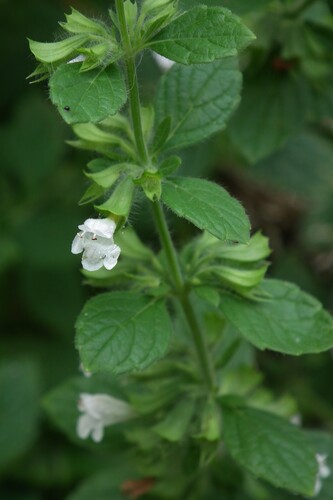
5. Lemon Balm
Melissa officinalis
A bright, lemony member of the mint family with centuries of use for 'nervous tension'. Modern studies suggest it improves calmness and even cognitive performance under stress. Lovely as a daytime tea when you need to stay sharp but settled.
Frequently Asked Questions
What's the strongest herb for anxiety?
For ongoing, everyday stress, ashwagandha has the strongest clinical evidence. For situational, in-the-moment calm, lavender and passionflower act more quickly.
Can I take these with antidepressants?
Some calming herbs interact with SSRIs and other medications. Always check with your GP or pharmacist first — and our assessment automatically flags medication interactions.
How quickly will I feel a difference?
Teas like chamomile and lemon balm can feel calming within the hour. Adaptogens like ashwagandha typically need 4–8 weeks of daily use for their full effect.
Get Your Personalised Herb Plan
Our free AI assessment matches herbs to your body, lifestyle and medications — with safety guidance included.
Start Your FREE AssessmentEducational information only — not medical advice. Consult your GP before starting herbal supplements, especially if you take medication or are pregnant.
We use essential cookies to run the site, and — with your consent — Google Analytics and Google Ads cookies to measure and improve it. See our Privacy Policy.